Heat Pump Water Heater Leesburg
Is a Heat Pump Water Heater Right for Your Leesburg Home?
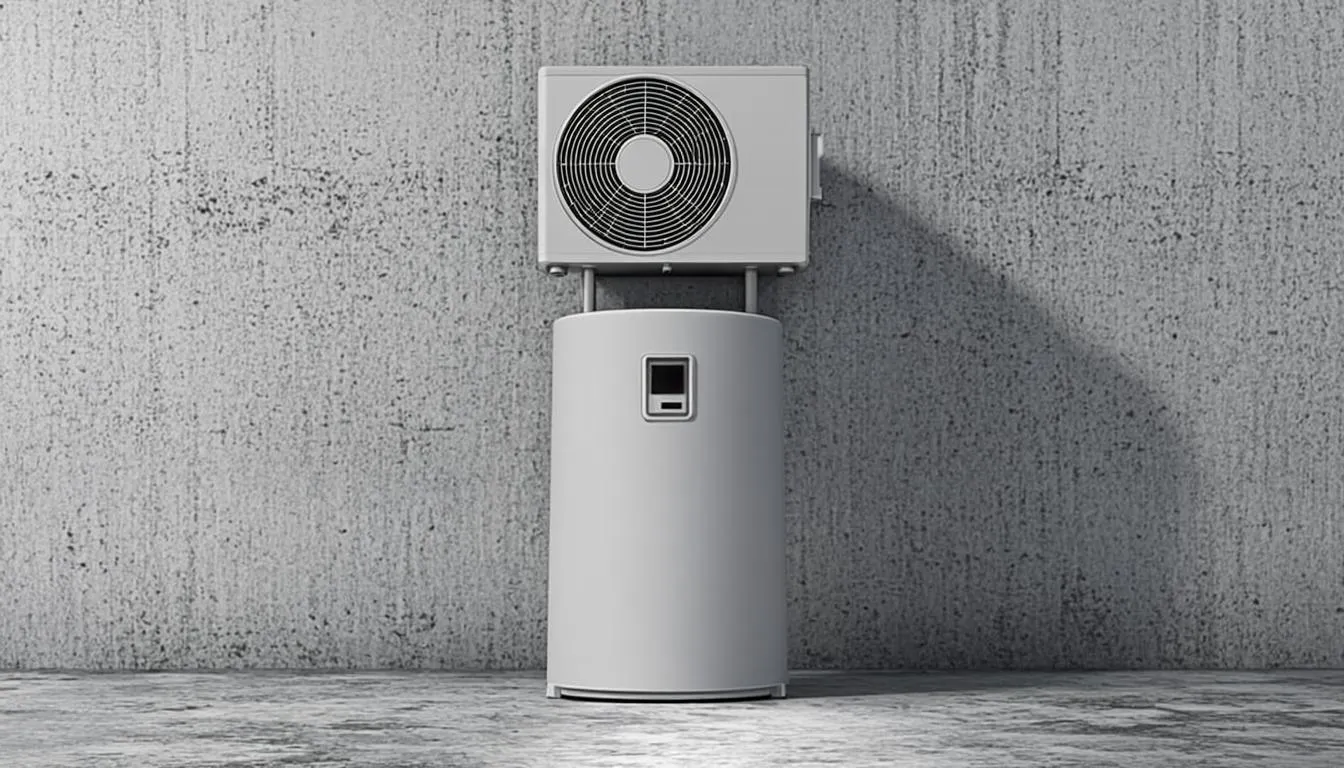
Illustrative image — hybrid heat pump water heater evaluated for a Leesburg home.
Heat pump water heaters have quietly become the most interesting equipment on the residential water heating menu, and the one most often chosen for the wrong reason. Here is the honest version for Leesburg homes: how the technology works, what it demands from your house, and where the savings math actually lands.
How a Hybrid Heat Pump Water Heater Works
Instead of making heat, the unit moves it. A compressor and evaporator draw heat from the surrounding air and deposit it into the tank's water, with electric resistance elements retained as backup for high demand. That reversal is why the efficiency numbers look so different from a resistance tank: moving heat costs far less energy than generating it.
What the Savings Numbers Actually Say
ENERGY STAR reports that certified heat pump water heaters can save a household of four approximately $550 per year on electric bills versus a standard electric water heater, and more than $5,610 over the unit's lifetime; a household of four saves around 3,760 kWh annually by that same accounting. The U.S. Department of Energy has separately cited average lifetime savings of $1,800 for consumers replacing electric resistance storage units with heat pump models. Two important caveats: these figures describe electric resistance comparisons, not gas, and your result depends on usage, rates, and installation conditions. The heat pump installation page carries the sources and frames the estimate the same way.
The Four Requirements Most Guides Undersell
Air volume. The unit consumes heat from the room, so small closets starve it. Many models specify minimum room volumes; louvered doors sometimes bridge the gap, sometimes not.
Airflow path. Intake and exhaust need breathing room, and the discharge air is cool, which is a comfort consideration in tight mechanical rooms during winter.
Condensate drainage. The evaporator wrings water from the air; that condensate needs a drain path, and a pump where gravity fails.
Thermal environment. Spaces that swing toward freezing change operating behavior, pushing the unit toward its resistance elements. Basements in Leesburg's housing stock vary widely on this, which is why we measure rather than assume.
Where They Fit Best Around Leesburg
Homes replacing aging electric resistance tanks, with a basement or generous utility space, are the natural fit. Split-foyers and townhouses with tight closets need an honest airflow assessment before committing, and we price the alternatives when the space says no. For households on gas service, the comparison widens to include the gas tankless path; for homes staying with tanks, the traditional tank page remains a perfectly respectable answer.
How the Installation Differs
Beyond the standard swap, a heat pump install adds drainage planning and mode configuration, plus a real electrical check. Permits follow the same Loudoun County trade permit structure as any other water heater work. Expect a slightly longer installation day than a like-for-like tank swap, and a walkthrough that covers operating modes, filter care, and what to expect from the sound of a compressor that was not there before.
The takeaway: Heat pump water heaters are the efficiency champion for homes on electric resistance tanks, but they earn it only where space, airflow, drainage, and circuit capacity all cooperate. Measure first, then buy.