Tankless Recirculation System
What Is a Tankless Water Heater Recirculation System?
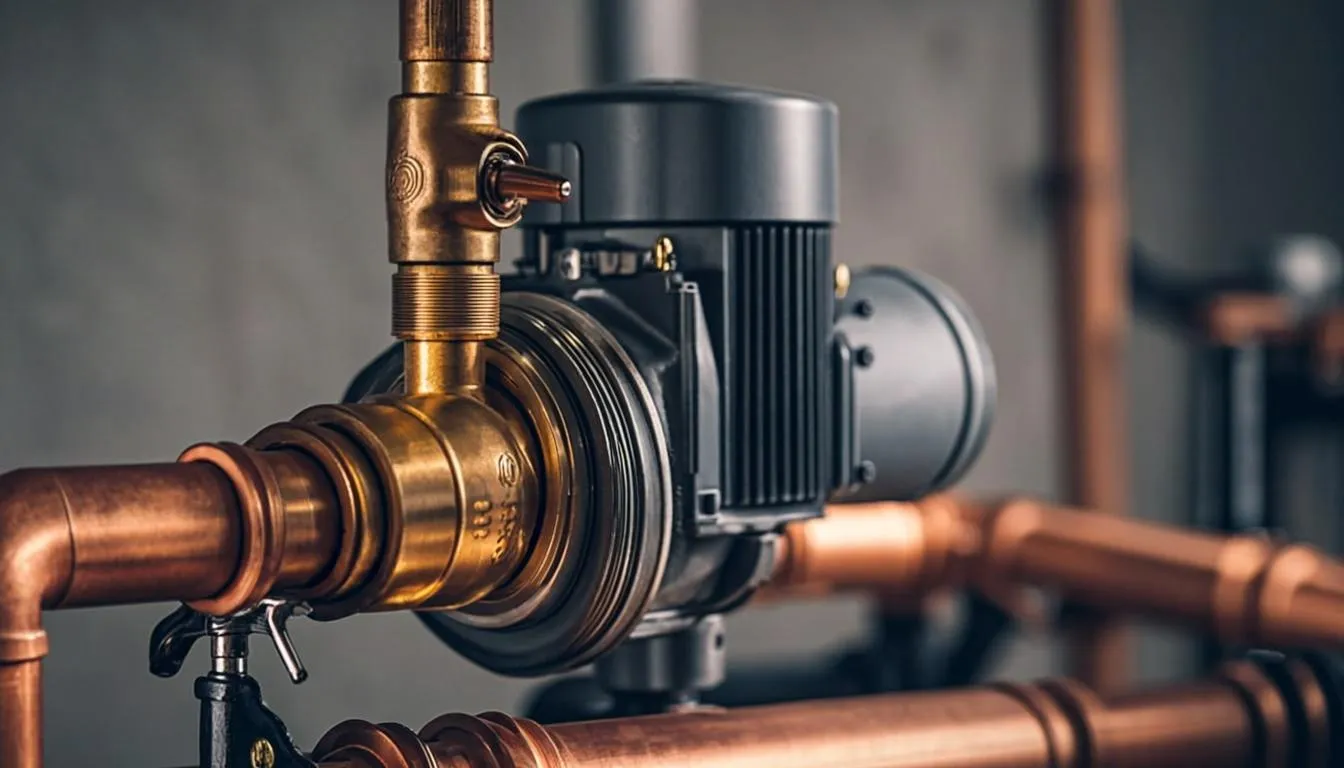
Illustrative image — a recirculation pump installed alongside an upgraded tankless water heater.
The tankless unit fires in seconds, yet the shower still runs cold for a minute. That delay is not the heater's fault; it is the water already sitting in your pipes. Recirculation systems exist to shorten that wait, and pairing one with tankless equipment requires some honest engineering knowledge. Here is the whole picture.
Why the Wait Exists at All
Between firings, the water in your hot water lines cools to room temperature. Opening a fixture pushes that cooled water out before heated water arrives from the unit. In a ranch-style house the cooled volume is small; in a long-winged colonial or a home with the heater far from the master bath, it is a gallon or more, and gallons take time.
How Recirculation Shortens the Wait
A pump creates a loop that keeps hot water, or nearly hot water, moving in the line nearest your fixtures. When you open a tap, warm water is already close by. The system trades a little energy and a little complexity for the comfort of near-instant hot water at distant fixtures.
Dedicated Return Line vs. Crossover Valve
Two plumbing architectures deliver recirculation. A dedicated return line gives cooled water a pipe back to the heater, the cleaner design, usually planned during construction or major renovation. A crossover valve design uses the existing cold water line as the return path, making it the retrofit-friendly option that most existing homes install. Each has trade-offs in comfort and efficiency that the survey weighs against your actual plumbing.
On-Demand vs. Continuous Operation
Continuous recirculation keeps the loop warm around the clock, which is the comfort-maximizing, energy-spending mode. On-demand designs run the pump only when triggered, by button, motion sensor, or schedule, keeping most of the convenience while slashing the energy bill that continuous loops pay. For most households, triggered operation delivers the felt benefit at a fraction of the cost.
Pumps, Timers, and Temperature Controls
Modern systems bundle controls with the pump: timers restrict operation to the hours you actually draw hot water, thermostatic sensors stop the loop when the line reaches temperature, and activation buttons or sensors trigger demand runs. The control stack is where energy discipline lives, and we configure it to your household's real schedule rather than the manual's default.
Compatibility With Tankless Equipment
Tankless units interact with recirculation differently than tanks do: frequent small loop draws can trigger frequent burner ignitions, and some manufacturers engineer dedicated recirculation support with internal pumps or approved external kits. Compatibility is checked against the specific model before any pump is spec'd. Our upgrade page covers adding recirculation to an existing tankless system, and the installation page covers new installs designed for it from day one.
The Energy and Water Trade-Off, Honestly
Recirculation saves water, the gallons that run down the drain while you wait, and pays for that saving with pump operation and line-heat losses. Triggered modes keep the losses small; continuous modes can quietly become one of the home's larger energy habits. Well-configured, the trade favors most busy households; configured carelessly, it favors nobody.
When Installing One Makes Sense
Long pipe runs, distant master baths, and households tired of wasted water are the classic fit. Maintenance matters too: the loop joins your unit's service rhythm, and our maintenance page adds pump and valve checks to the visit. If the wait is the complaint, one survey sizes both the unit and the loop, and the estimate shows the whole package in writing, day or night.
The takeaway: Recirculation attacks the wait, not the water heater: a pump keeps hot water closer to your taps. Done right it saves water and patience; done carelessly it burns energy around the clock.