HPWH Electrical Requirements
Heat Pump Water Heater Electrical Requirements: 120V vs. 240V
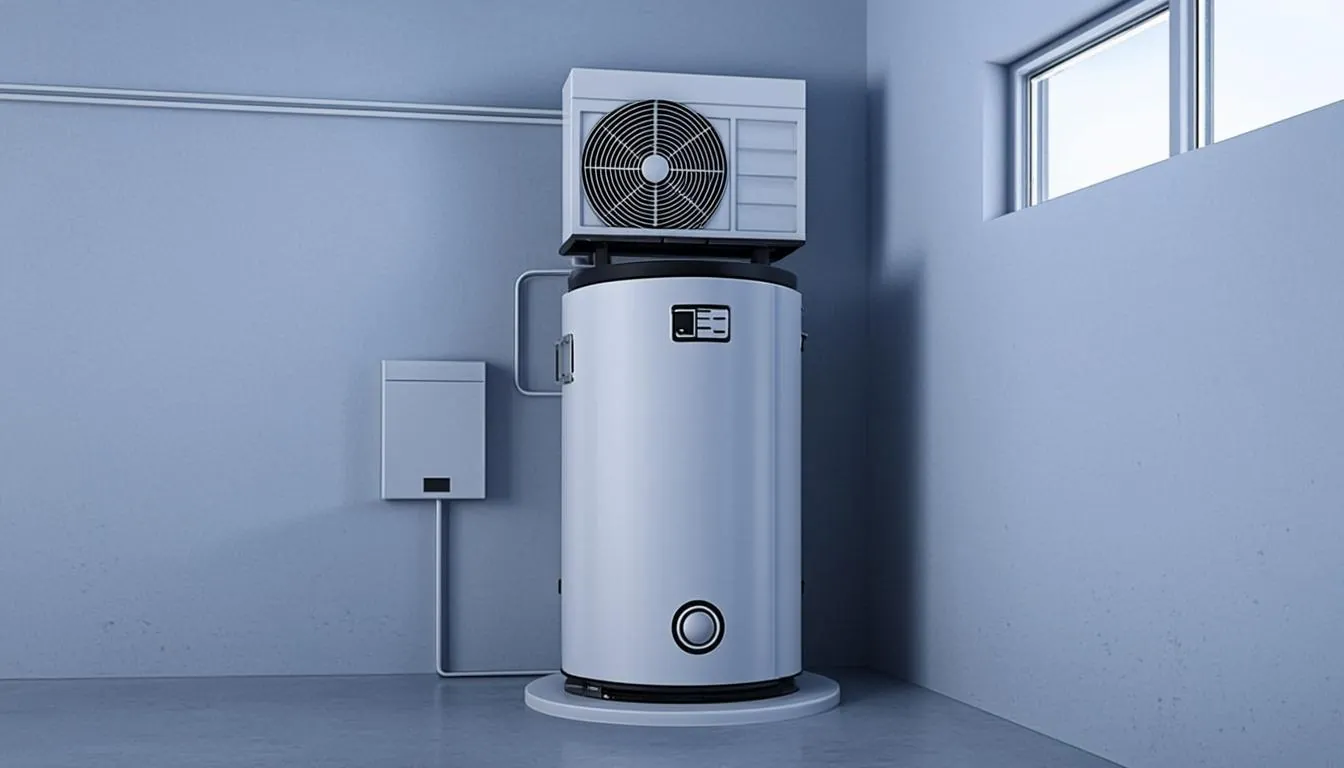
Illustrative image — heat pump water heater with its dedicated electrical disconnect.
Electric water heating has an intimidating reputation, earned by resistance elements and their appetite. Heat pump water heaters rewrite that story, and the electrical assessment that precedes installation is usually shorter than buyers expect. Here is exactly what the unit needs.
How a Heat Pump Water Heater Uses Electricity
The compressor, fan, and controls draw modest power while moving heat; the resistance elements, which only assist during peaks or recovery, draw heavily when they run. A household disciplined about hybrid mode mostly pays the modest bill, which is why the technology's operating economics work so well on ordinary residential service.
The 120V and 240V Options, Compared
Two supply families exist. Standard 240V models plug into the same class of circuit as the electric tanks they replace and span the widest capacity range. Newer 120V designs trade some recovery speed for plug-compatible simplicity, suiting homes where adding a 240V circuit would be disruptive. Recovery pace, household demand, and panel reality choose between them, and the assessment measures all three.
Panel Capacity: What the Assessment Checks
The panel needs a slot for the breaker, wiring gauge matching the circuit, and headroom in the load calculation for the unit's continuous draw. Homes replacing an existing electric tank usually inherit a suitable circuit; the assessment verifies rather than assumes, because previous owners leave surprises.
Breaker and Circuit Requirements
Each model specifies its breaker size and wiring requirements, and dedicated service is the norm: the water heater's circuit should not share with other loads. Where a 240V circuit must be added, an electrical permit accompanies the work, filed separately per Loudoun County's trade permit structure.
When Electrical Modifications Become Necessary
Three situations trigger them: no suitable circuit exists where the unit will live, the panel lacks a free slot or the capacity calculation comes up short, or the chosen model's requirements exceed what the existing wiring can carry. Each prices as a visible line, never folded into equipment pricing.
Converting From an Existing Electric Tank
This is the smoothest path in home electrification: same location, usually same circuit class, no gas work, no venting. The swap adds condensate planning and the space assessment covered in our installation requirements guide. The heat pump installation page documents the full conversion scope, and the tank services page covers the timeline when a same-day swap is what the schedule needs. One call books the assessment, and the estimate that follows reads line by line, any hour you ask for it.
The takeaway: A heat pump water heater borrows the friendliest electrical story in its class: the compressor sips power compared with resistance heat. Most existing tank circuits carry it; the assessment confirms yours.